Instead of moving the clock an hour forward in summer, we should move it back an hour, at least here in northern Europe. Call it Moonlight Saving Time.
In summer the days get very long and with rising temperatures it's just not comfortable outside until later in the evening. At night, it takes a while for things to cool down and be comfortable enough to sleep. DST makes the problem worse by moving the clock forward.
Or we can just stop doing social engineering and let people deal with natural order of things. These debates always make me upset on the hubris of people that think they know what is better for other people.
That's an argument for getting rid of clocks altogether, as clock time is a social fiction. Our modern notion of global time wasn't invented until railroads and long-distance communications made it necessary.
Before that people relied on local solar time, where noon is whenever the sun is highest at the town hall. That's also socially constructed, just for a smaller social unit.
The only natural order of things for individuals is daylight where one is. In which case, one doesn't really need a clock at all, just the various natural markers like twilight, sunrise, and noon.
Of course, the whole notion of individualism is a relatively recent modern invention. Naturally humans are eusocial primates who live in close groups. So if you're after truly natural, "morning" is when your troop leaders get up and "evening" is when they start to bed down, and it's a thumping for you if you're noisy at the wrong time.
Alternatively, we could admit that modern society exists and isn't going away and work together come up with some useful global definition of social time that works reasonably well for all concerned.
That only works until you have to synchronize time with someone else. If you can afford a private jet with pilots that live inside it at all times in case you want to go, then no problem. For the rest of us we depend on larger airplanes that take a few hundred people at a time (and are a lot more environmentally friendly). Likewise for trains. Or classes in school.
I'm not sure what to make of this comment. It sounds contrary in tone, but it seems like we both agree "modern society exists and isn't going away" and that we must "come up with some useful global definition of social time".
So, questions over gender roles are pushing society towards gender-neutral bathrooms (aka individual stalls).
Maybe questions over work-times should push society over better sound-proofing in living habitats, and permanent (i.e. at all times) noise limits in residential zones?
Indeed, in Hawaii, at 20 degrees north, the sun rises at 6am and sets at 6pm with little variation from summer to winter (there is no daylight saving; what would be the point?). A lot of people work 7am to 3pm to leave a couple of hours of sunlight to go surfing after work. I never personally did that schedule, but it made a lot of sense to me.
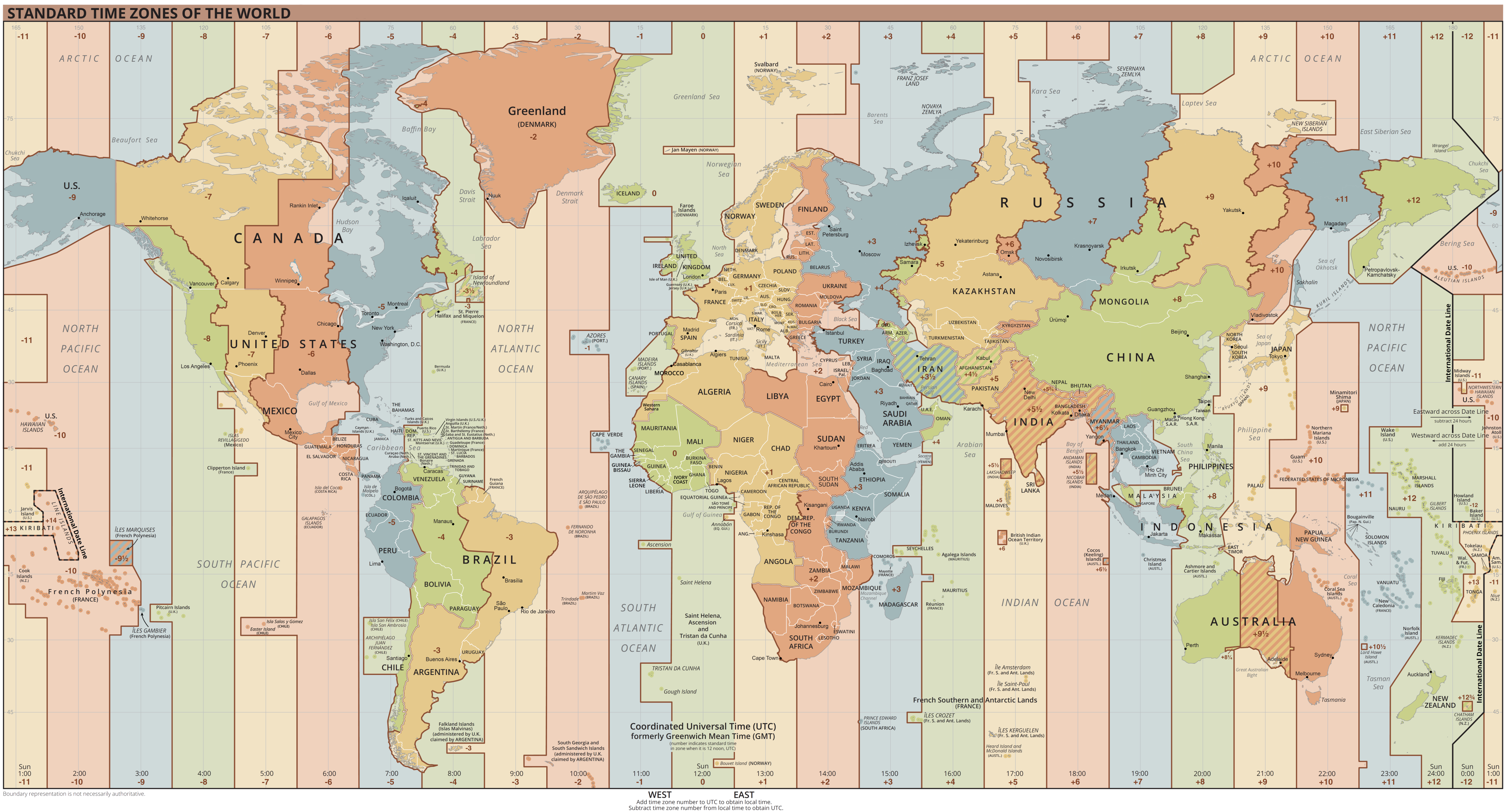
I strongly disagree. In Stockholm the sun rises at about 03:30 and sets at around 22:00 in the summer, using DST (UTC+2). If we were to use normal time (UTC+1) in the summer, it would instead be 02:30 (worthless added light for almost everyone) and 21:00, meaning most people would lose an hour of daylight, and one of the best things about living so far north.
If we instead switch to UTC+2 all year, the sun would rise at 09:45 instead of 08:45, and set at 15:50 instead of 14:50 in December. So it would still rise after most people had gone to work (starting at 08:00 is the norm), but it would set closer to when most people leave work.
I hear the argument that we should just use UTC+1 year round since that's when the sun is highest at 12:00, and if you want more light you should just wake up earlier. But speaking for myself, I don't want to go to bed one hour earlier to wake up 03:00 and invite people over for a barbecue. The early morning light is wasted light due to sleep, and the evening light is much more valuable, so it's not an even trade. Personally I don't care when the sun is highest anyway. For me, the day starts when I wake up, and I wake up so I can get to work on time. Everything after work and before sleep is free time, and I want to maximize that since a contiguous time block lets me do stuff I can't do if I had to split it before and after work.
> meaning most people would lose an hour of daylight, and one of the best things about living so far north.
I disagree completely. I’m not that far north (the Netherlands) but in the middle of summer it usually too hot to be outside until after sunset. You’d lose a useless hour of daylight and gain an hour of comfortable twilight/nighttime.
That's western Europe, not northern Europe[0]. You're welcome up north to enjoy our long comfortable summer evenings.
You're further west than Sweden, but the same timezone (CET), so you're already offset compared to the sun. Sweden is pretty spot on where UTC+1 follows the sun time[1], but as I already mentioned, I think modern people's schedules should be more important than when the sun is at its highest. I think UTC+1 would be good for you, UTC+2 would suit us better, and then countries in central and southern Europe could come to some agreement where to draw the line to avoid time zone enclaves.
If it's 30+° C I understand wanting to let it cool down, but I'd be damned if I live through these long dark winters and then have the long bright summer evenings taken from me.
My two cents.. DST will not change when and how the sun rises and sets.
You should really start thinking about +1 hour all year. As you said if you want more light you should just wake up earlier... but that's your point of view.. hence all the fuss about DST, it makes only one portion of the population happy.
> DST will not change when and how the sun rises and sets.
But it does change when people work and when stores and restaurants etc are open. If you're in complete control of your schedule you can just wake up earlier, but unfortunately most of us aren't.
If I want to go on an evening hike, am I supposed to do most of it in the evening, stay the night in the woods, do the last hour in the morning, and then go to work? If I am eating dinner with friends in the garden, should they leave when it gets dark and come back to pick it up again tomorrow morning before one of them have to get on a train? Who benefits from having several hours of daylight while they're asleep?
> with rising temperatures it's just not comfortable outside until later in the evening.
This is inherently personal. I actually like the warmer evenings, and long evenings make socializing outside so much better. If the sun went down at 20:00 in the midst of summer, we'd loose that. There are very few to no days where I still find it too hot when I go to sleep.
Instead, we should stop trying to decide what's best for others, both by moving the clock forward and backward, and just use the closest full-hour approximation to solar time.
> long evenings make socializing outside so much better.
I agree, which is why would should move the clock backwards.
Right now, it’s impossible to be outside comfortably before 20:00 at the earliest. Having to get up early the next day means you can have 3, maybe 4 hours of socializing outside. Barely enough to have a decent BBQ.
If we moved the clock backwards you could be outside from around 18:00, so you’d have 5-6 hours of outdoor socializing time.
> we should stop trying to decide what's best for others, both by moving the clock forward and backward, and just use the closest full-hour approximation to solar time.
That’s fine and dandy, but my employer still expects me to be in the office at 9
> Having to get up early the next day means you can have 3, maybe 4 hours of socializing outside
I'm not sure I understand - moving the clock back means you would get off work "sooner", but you would also have to arrive at work in the morning "earlier". So it shouldn't make any difference to the hours of sleep you get.
> it’s impossible to be outside comfortably before 20:00 at the earliest
> If we moved the clock backwards you could be outside from around 18:00
> my employer still expects me to be in the office at 9
I find these times confusing, b/c you don't state whether they are times under the new, DST-adjusted measure, or the previous scheme. I'd assume if your employer has a fixed 9AM start time, then it would have a fixed end-time too, and thus it wouldn't make sense to me how you would be able to get outside (for 6PM vs 8PM) any earlier.
> it wouldn't make sense to me how you would be able to get outside (for 6PM vs 8PM) any earlier.
I would be able to get outside earlier because due to the changed clock the sun is down earlier and it’s not too hot to be outside at an earlier time. You need to wait until the sun is down because in direct sunlight you burn alive. Even if you wear sunscreen (which is icky and gross) it’s super uncomfortable in direct sunlight so you really can’t be outside for more than a few minutes at a time.
> Right now, it’s impossible to be outside comfortably before 20:00 at the earliest.
That's true for you. I don't experience that at all, there hasn't been any day this year where I found being outside uncomfortable at 18:00. To the contrary actually, there have been quite some days where it was fine at 18:00 but no longer comfortable at 22:00. We didn't have a particularly warm summer this year, but even in previous years there were very few days where I found it uncomfortably hot outside around dinner time. And I live in .nl, so it's not colder here than in northern Europe.
> That’s fine and dandy, but my employer still expects me to be in the office at 9
Maybe we should fix that problem, instead of just shifting it to another group by changing the clock.


In summer the days get very long and with rising temperatures it's just not comfortable outside until later in the evening. At night, it takes a while for things to cool down and be comfortable enough to sleep. DST makes the problem worse by moving the clock forward.